Heat Pump Efficiency Hits a New High in 2026 UK Field Trials
20 July 2026
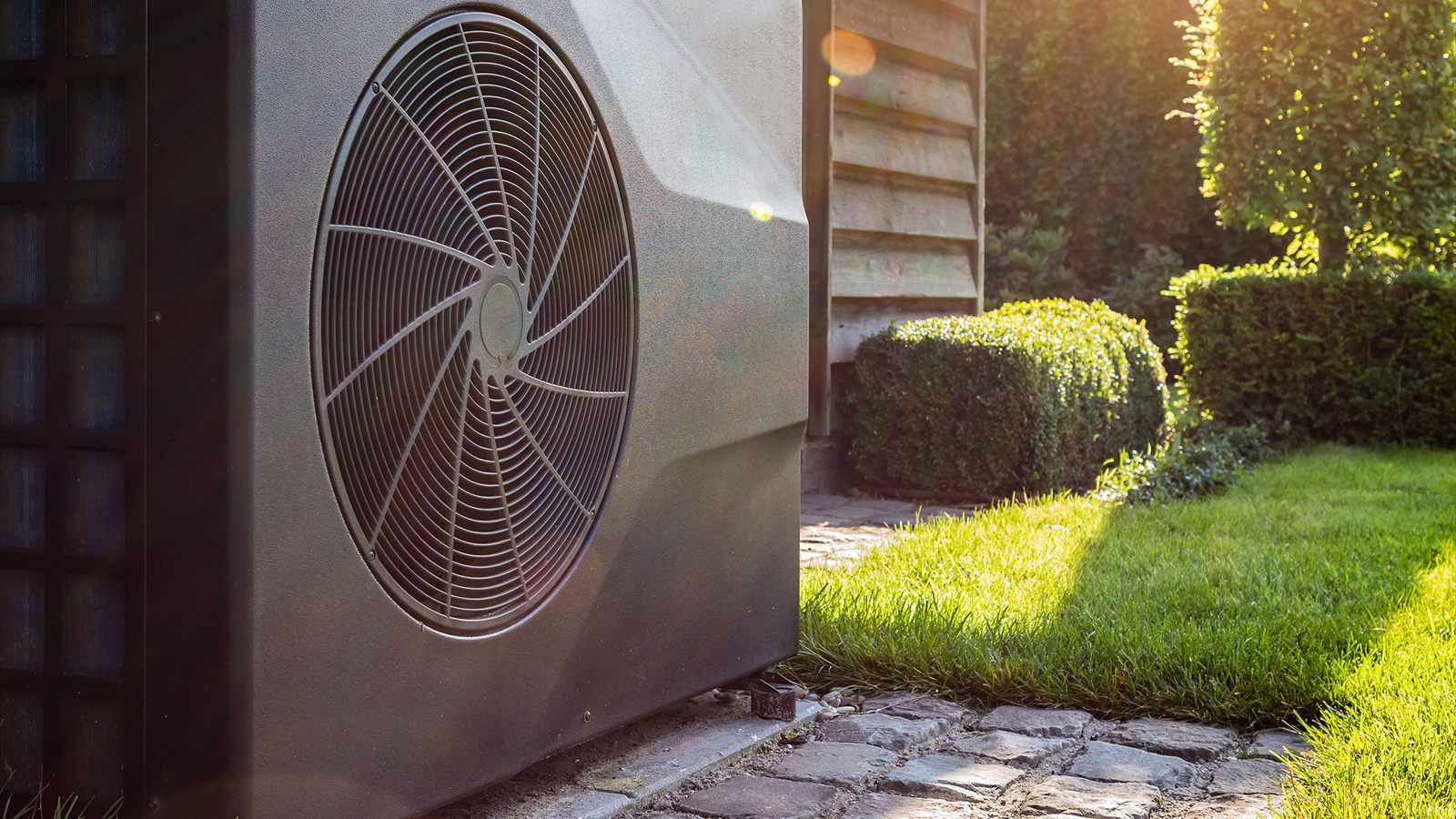
For years, the biggest criticism levelled at air source heat pumps was a simple one: real-world performance rarely matched the coefficient of performance (COP) printed on the box. A round of independently monitored UK installs completed this year suggests that gap has closed significantly - and in a growing number of cases, disappeared entirely.
Why the Numbers Are Improving
The headline change isn't the hardware - it's how it's being installed. Engineers are increasingly sizing radiators (or specifying underfloor heating) for lower flow temperatures around 35-40°C, rather than the 55-65°C a gas boiler would run at. Lower flow temperatures let the heat pump's compressor work far less hard for the same room temperature, which is where most of the efficiency gain comes from.
What It Means for New Builds
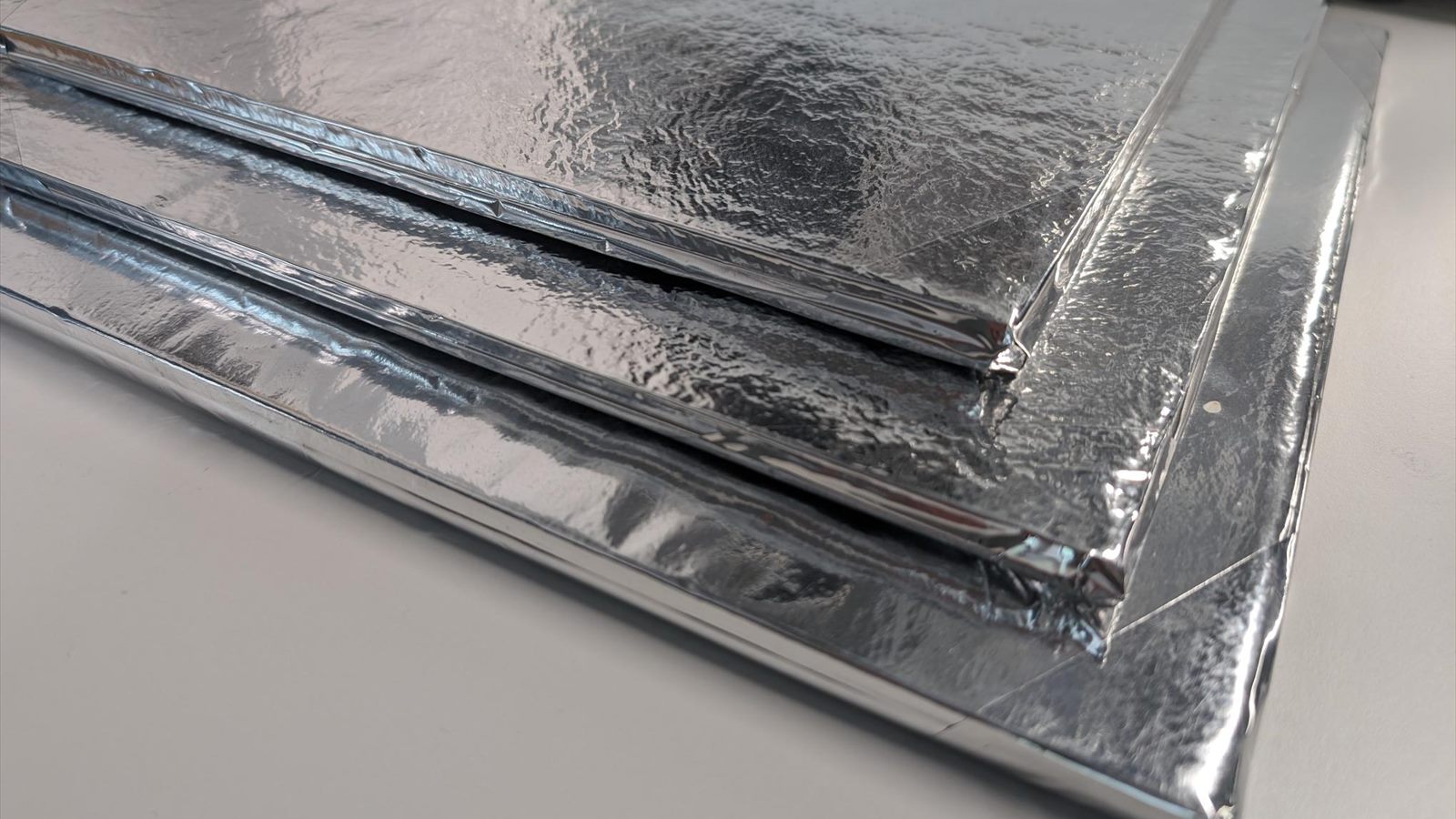
For a new build or a well-insulated conversion, this is good news without much of a catch: a fabric-first design that already keeps heat loss low is exactly the scenario where a correctly sized heat pump performs best. It reinforces the same principle behind the site's New Build guides - get the insulation and airtightness right first, and every system downstream of it, heating included, gets easier and cheaper to run.