Insulation Secrets: How Architects Stop Heat Escaping Through Floors, Walls, and Roofs
The unglamorous, highest-impact decision in any low-energy home — and the one that makes every other system work better.
The "Fabric First" Principle
Before any heat pump, solar panel, or ventilation system is specified, the building's own fabric, its walls, roof, floor, and windows, has to stop losing heat in the first place. This "fabric-first" approach is the foundation of every path on this site, because it's far cheaper and more effective to insulate well once during construction than to compensate for a leaky building with bigger, more expensive equipment later.
Where Heat Actually Escapes
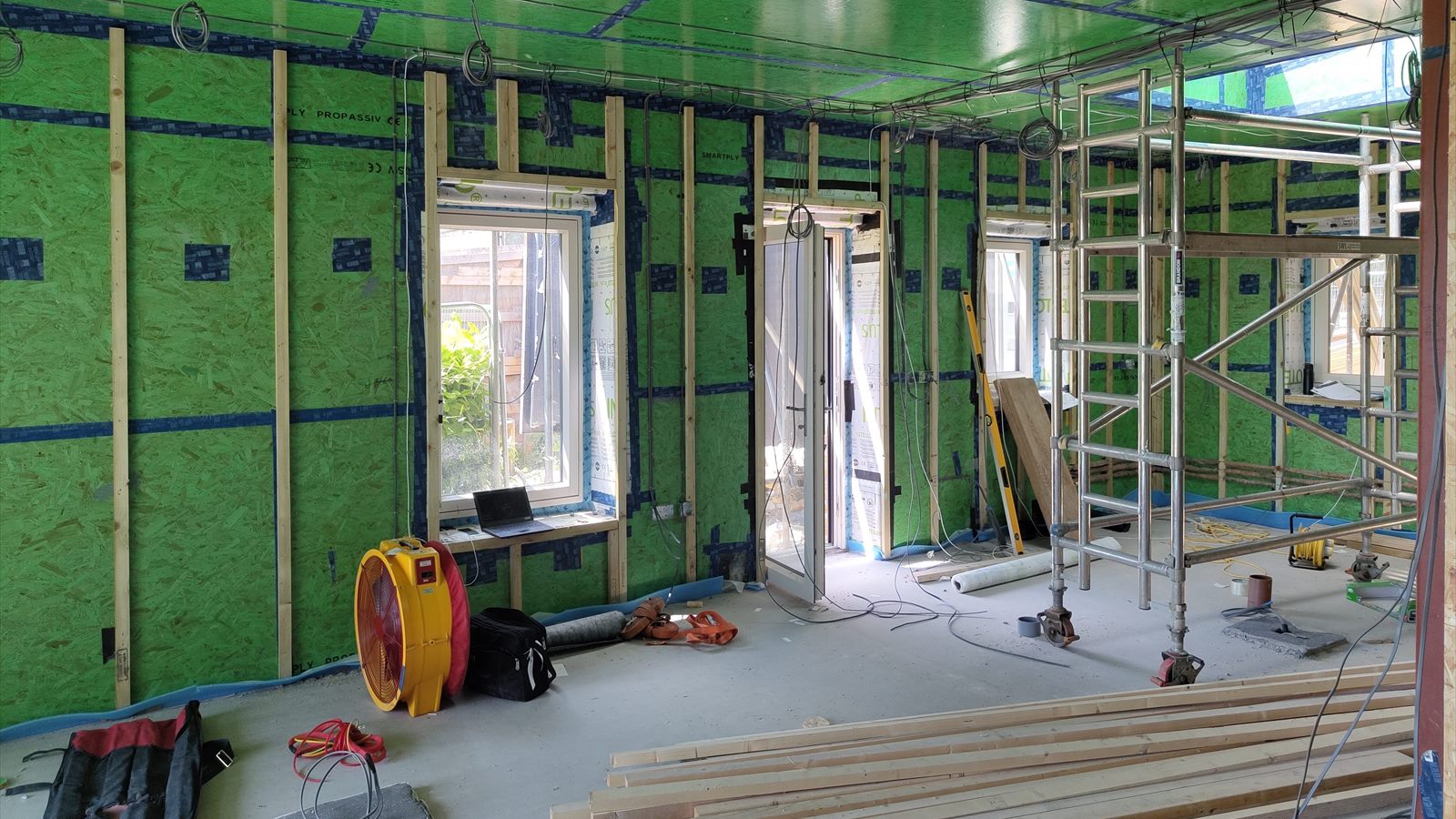
Heat loss isn't even across a building, uninsulated junctions, gaps around windows, and thermal bridges where materials meet can leak disproportionate amounts of warmth. Continuous, carefully detailed insulation across walls, roofs, floors, and especially these junctions is what separates a genuinely low-energy home from one that simply has thick walls.
Airtightness: Insulation's Quiet Partner
Insulation slows heat conducting through materials; airtightness stops it escaping through gaps and drafts. The two work together, which is also why airtight homes need mechanical ventilation (see Fresh Air / MVHR) to stay healthy. Getting both right is the difference between a home that merely feels warm and one that holds its heat for hours with the heating off.