Solar Power: Sizing Solar Panels and Battery Storage for Modern Energy Demands
Turning your roof from passive weatherproofing into an income-generating asset.
Solar PV: More Than Just Panels on a Roof
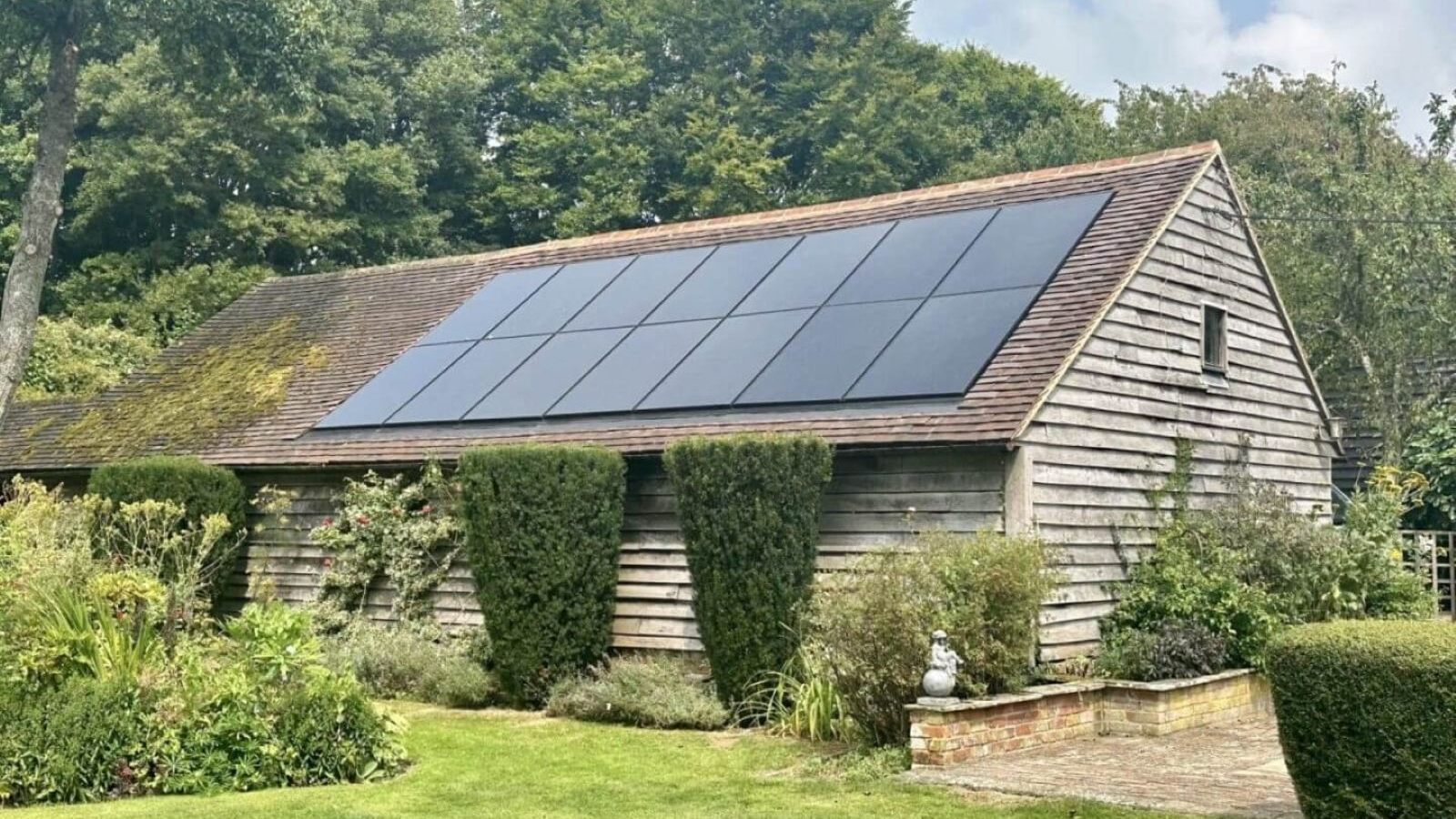
A Solar Photovoltaic (PV) array converts sunlight directly into electricity that powers your home, with any surplus either exported to the grid or stored on site. The size of the array that makes sense depends on your roof orientation, pitch, and how much electricity your household actually uses, which is why it's specified as part of the building design, not bolted on as an afterthought.
Why Battery Storage Changes the Equation
Solar panels generate the most power in the middle of the day, but most households use the most electricity in the morning and evening. A domestic battery (commonly 10-13.5kWh) captures that midday surplus and releases it later, dramatically increasing how much of your own solar power you actually use rather than exporting it cheaply and buying it back later at a higher rate.
Designing Solar In, Not Bolting It On
Flush-fitted or in-roof solar panels can be designed to sit seamlessly within a roofline rather than looking like an add-on, something every one of our New Build, Conversion, and Extension guides treats as a core design consideration from day one, not a retrofit decision.