Solving Damp & Condensation in Period Conversions
For homeowners converting an old, solid-walled building who are worried about mould, damp, and trapped moisture.
Meet Anna & Joe
Anna and Joe are converting a 200-year-old stone cottage. Previous owners had patched it with cement render and sealed plastic-based paints, and the result was years of black mould and damp patches. They want a warm, dry home, without repeating the same mistakes.
Why Solid Walls Need to "Breathe"
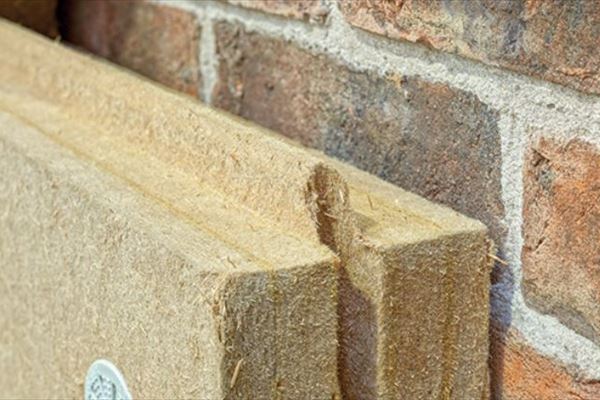
Old solid-walled buildings were designed to let moisture pass through the walls and evaporate. Modern cement renders and plastic paints trap that moisture inside the wall instead, where it condenses and causes mould. Breathable lime renders and natural wood-fibre insulation let walls manage moisture the way they were built to.
Managing Humidity Mechanically
Beyond materials, controlling humidity at its source matters. Extract ventilation in kitchens and bathrooms, paired with a whole-house MVHR system where the building's airtightness allows it, removes moisture-laden air before it ever reaches cold surfaces and condenses.
The Architect's Value
An architect specifies a moisture-safe "breathable" build-up for every wall, floor, and roof junction, making sure heritage character and modern comfort don't come at the cost of trapping decades of dampness inside the structure.