Working With Conservation Officers: Low-Energy Upgrades That Get Approved
For homeowners converting a listed or conservation-area property who are worried planning restrictions will block any meaningful energy upgrade.
Meet Helen & Mark
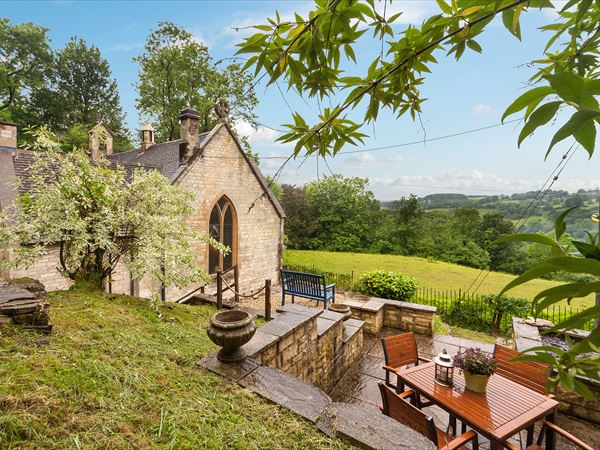
Helen and Mark are converting a Grade II listed former chapel. Their local conservation officer has already rejected a neighbour's solar panel application, and they're convinced they'll be stuck with a cold, inefficient home forever because "nothing will get approved."
Speaking the Conservation Officer's Language
Conservation officers aren't opposed to efficiency, they're protecting specific, identifiable features: rooflines, window proportions, materials visible from the street. An application that clearly separates "what must stay exactly as it is" from "where genuine improvement is possible" is far more likely to be approved than a generic retrofit spec.
Reversible and Discreet Interventions
Secondary glazing behind original windows, internal wall insulation, and solar panels mounted flat and positioned on non-visible roof slopes are all reversible or discreet enough to satisfy most conservation requirements while still delivering real performance gains.
The Architect's Value
An architect experienced in heritage work pre-negotiates with the conservation officer, presenting a phased, evidenced case for each upgrade, turning a flat "no" into a constructive conversation about what can be achieved.